Ounce of Calm

Regain control of
your body & brain.

Before, during, and after
job interviews.

Ounce of Calm is a self-regulation app. Follow guided techniques to relieve stress in the moment. Build the skills to stay calm on your own—even when your phone is out of reach.

We don’t coach interview answers. We help you build skills to keep your mind clear, your voice steady, and your knowledge within reach under pressure.

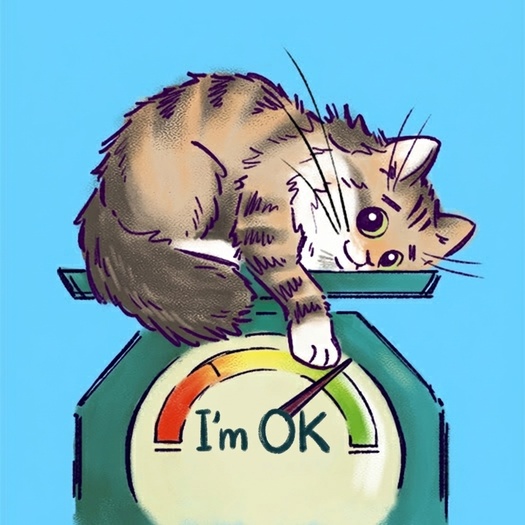
Ozzy resting on a scale with its dial reading I’m OK

Who is Ounce of Calm for?

How users describe the three stages of their struggle:

1. BEFORE THE INTERVIEWAnticipatory dread & physical panic
  • "My body freaks out hours before I log in": Adrenaline spikes, racing heart, cold sweats, and sudden "bubble guts" or nausea right before the call.
  • "The waiting is unbearable": Sleepless nights, gagging from anxiety, and endlessly overanalyzing worst-case scenarios.
  • "I’ve canceled on dream jobs": Making last-minute excuses, no-showing, or turning around in the parking lot because the panic became too overwhelming.

Your Core Need: Regulate pre-call fight-or-flight spikes so you can show up in control rather than calling in sick.

2. DURING THE INTERVIEWMind going blank & physical betrayal
  • "My brain turns into a complete cardboard box": Freezing on simple prompts, stammering awkwardly, or blurting out disjointed "word spaghetti."
  • "My symptoms make me look unprepared": Uncontrollable hand tremors, facial sweating, and a quivering voice that sounds like you’re about to cry.
  • "I’ve wanted to disconnect mid-call": An intimidating interview panel or unexpected questions can trigger panic attacks, tears, or the urge to hit "End Meeting."

Your Core Need: Keep your thoughts clear and articulate your expertise without freezing or breaking down on camera.

3. AFTER THE INTERVIEWPost-event rumination & self-criticism
  • "I replay every stumble on a loop": Going home and "ripping myself apart mentally," dissecting every 5-second pause or imperfect phrase.
  • "I suffer from an emotional hangover": Feeling mortified, crying for hours, and feeling disgusted with yourself.
  • "I start doubting my abilities and career prospects": Thinking "I'm not made for this role," stopping applications, or settling for low-paying jobs to avoid interviewing again.

Your Core Need: Halt the obsessive replay loop, recover from emotional hangovers, and protect your career momentum.

What is actually happening inside your mind and body?

Your brain isn't "broken," and you aren't unprepared. When you're being evaluated, your nervous system mistakes a job interview for a physical threat and triggers ancient survival mechanisms.

Explore what happens under pressure
  1. Evaluative pressure triggers a 2- to 4-fold spike in circulating cortisol and adrenaline. Your brain deactivates the prefrontal cortex (your executive center for logic, problem-solving, and structured speaking) and hands control over to subcortical threat centers like the amygdala.
  2. Your working memory shrinks into a tiny ~15-second buffer. At the same time, high cortisol blocks long-term memory retrieval—explaining why you suddenly "blank" on questions you practiced answering dozens of times.
  3. Your brain's monitoring systems uncouple. While one neural stream notes what NOT to say, the lack of top-down inhibition causes you to blurt out the exact awkward phrase you were desperately trying to avoid.
  4. Your blood vessels constrict and cardiac output drops, reducing oxygenated blood flow to your brain.
  5. Sympathetic nervous system arousal tightens muscles in your larynx, raising your fundamental vocal pitch and causing subtle vocal tremors. Interviewers subconsciously perceive this higher pitch as distress or lack of confidence.

How Ounce of Calm helps you handle interview stress

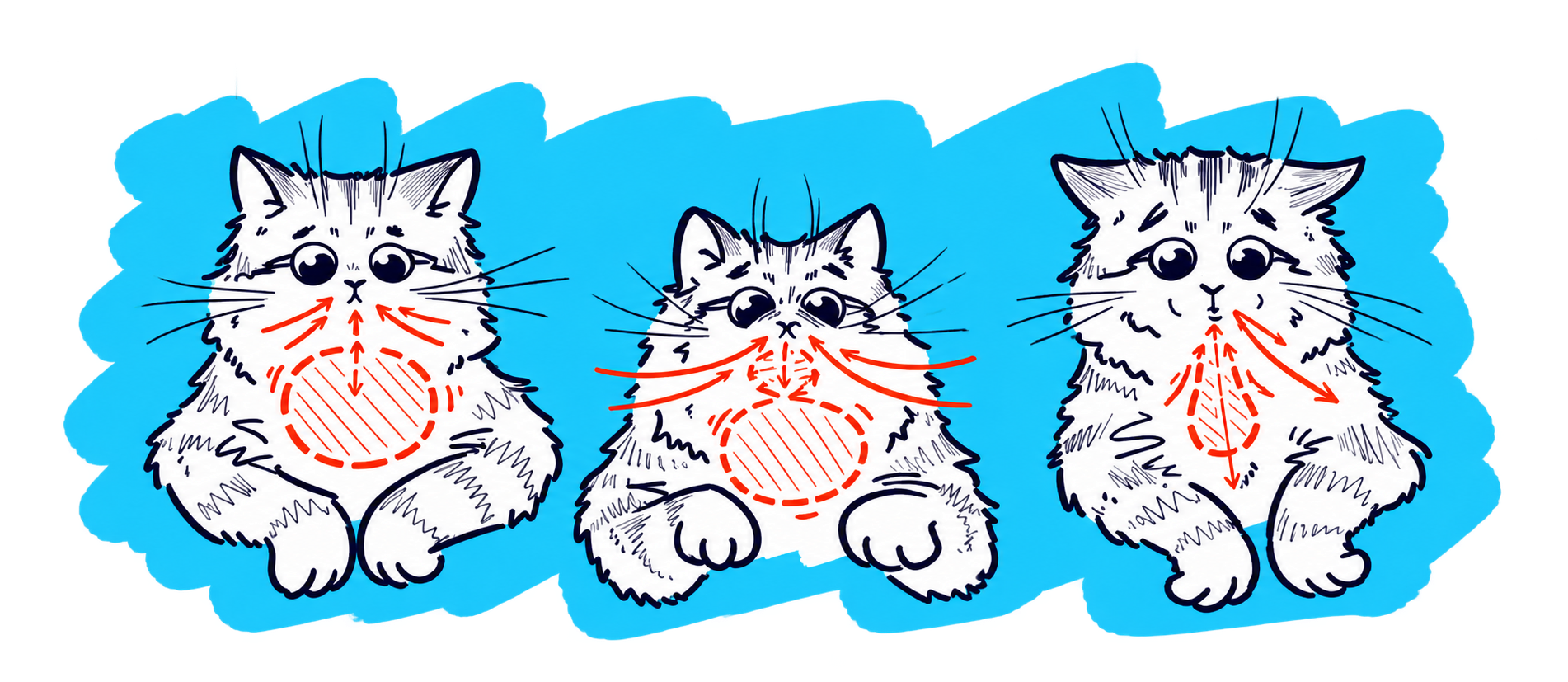
Physiological sigh

Ozzy demonstrates two inhales followed by a long exhale

Two inhales. One slow exhale.

Get in-the-moment support

When panic hits at 2 AM or 10 minutes before your interview, open the app. Ounce of Calm selects a technique and guides you step by step to help you get back to what matters. No searching, remembering the steps, or choosing what to try—just guidance when you need it.
Build skills you can use on your own

Short daily exercises in the app help you notice stress early and respond—even when your phone is out of reach.

  1. Week 1: Learn the foundations.

    Practice the core techniques, discover which work best for you, and learn when to use them. Start using them in interviews and on your own right away.

  2. Weeks 2–3: Make the skills your own.

    Practice adapting techniques to different situations, stress levels, and time limits—so they become easier to use and remember when you need them.

  3. Beyond: Keep your skills ready.

    Daily reminders and ongoing practice help you spot early signs of stress and put your skills to use before, during, and after stressful moments.

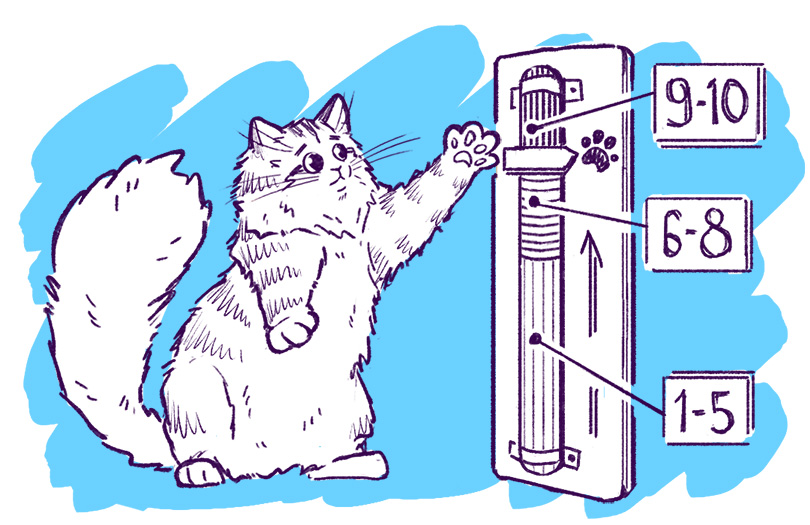
Stress check-in

Ozzy checks his stress level on a scale from 1 to 10

Pause. Notice. Rate your stress.

Prepare at your own pace with the guide

Review all the techniques and tips from the app, and keep practical reminders nearby during your interview:

  • “Under-the-Webcam” Printable Cheat Sheet

    A single page of quick techniques for moments of sudden panic, designed for discreet use on camera.

  • Verbal Scripts for When You Freeze

    Phrases that naturally buy you a few seconds to gather your thoughts.

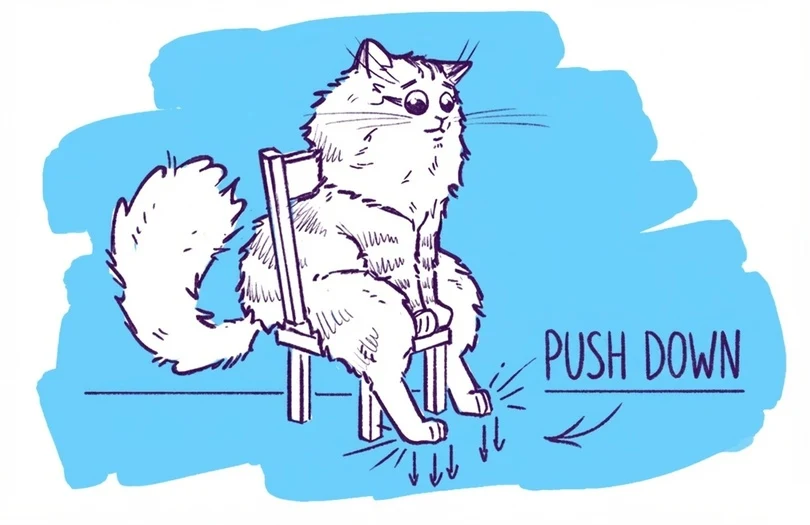
Seated grounding

Ozzy sits in a chair with his feet on the floor

Press. Hold. Release.

What techniques will you learn?

Build your skills around seven core, evidence-based techniques:

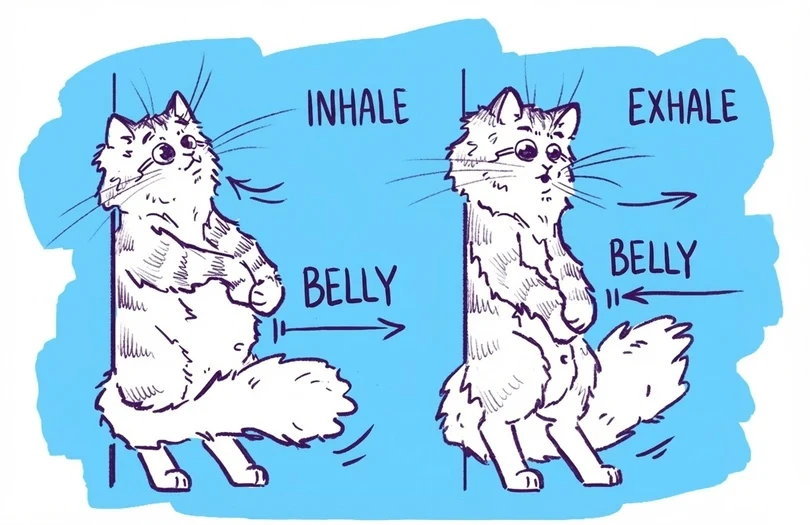
Ozzy practising diaphragmatic breathing with paws resting on his belly
  1. Self Check-In

    catch tension before it takes over

  2. Progressive Muscle Relaxation

    release tension quickly

  3. Diaphragmatic Breathing

    stay calm in tough situations

  4. 5-4-3-2-1

    regain mental clarity

  5. Grounding

    feel confident

  6. Resource Place Visualization

    restore your energy and lift your mood

  7. Arousal Reappraisal

    reframe stress as readiness for a challenge

The techniques are rooted in neurophysiology and cognitive behavioral therapy (CBT), and adapted to time-pressured interview situations and high stress levels between interviews.

Does it really work?

Real User Experiences:

"During one interview, my mind went completely blank on a simple question and I almost panicked. In the past, the rest of the interview would have been ruined. This time, I used what we practiced in Ounce of Calm, collected myself, and kept going smoothly."

"Before Ounce of Calm, I knew about breathing exercises and read about mindfulness, but I only ever remembered them after I’d already blown the interview... Now, I actually use the techniques during the call. They work so well—who would have thought!"

"I still get nervous before interviews, but the difference is night and day. It used to spiral out of control until I couldn't think. Now I catch the stress early and know exactly how to handle it."

"I learned to catch the first signs of stress right during the call—my neck tightens and my voice gets higher. The moment I notice, I do a quick micro-version of PMR and keep speaking calmly and confidently."

"I was burning out day after day from job hunting. Things feel so much lighter now. I finally feel in control again."

Track record: Over four years, our digital tools have helped 99,000+ people get through high-stress moments.

Your Ounce of Calm

  • Guided techniques for stress in the moment
  • Daily practice to build skills you can use on your own
  • Interview guide, printable cheat sheet, and verbal scripts

US$9/month

Cancel any time

Ounce of Calm

Get your invitation

We’re opening access to Ounce of Calm in small batches. Tell us when your next interview is so we can plan your invitation.

When is your next interview?

Requesting an invitation won’t start a subscription or charge you.